Best Sunscreen for Face: 2026 Dermatologist Recommended Guide
Hey there! I am a dermatologist (a skin doctor), and I want to share a big secret with you: Sunscreen is the ultimate superpower for your skin. It acts like an invisible shield that protects you from wrinkles, dark spots, and skin sickness. As Dr. Heather D. Rogers, MD, FAAD (a double board-certified dermatologist) always says, sunscreen is the most powerful anti-aging product we have, backed by decades of solid data. Let's break down everything you need to know without any confusing medical drama!
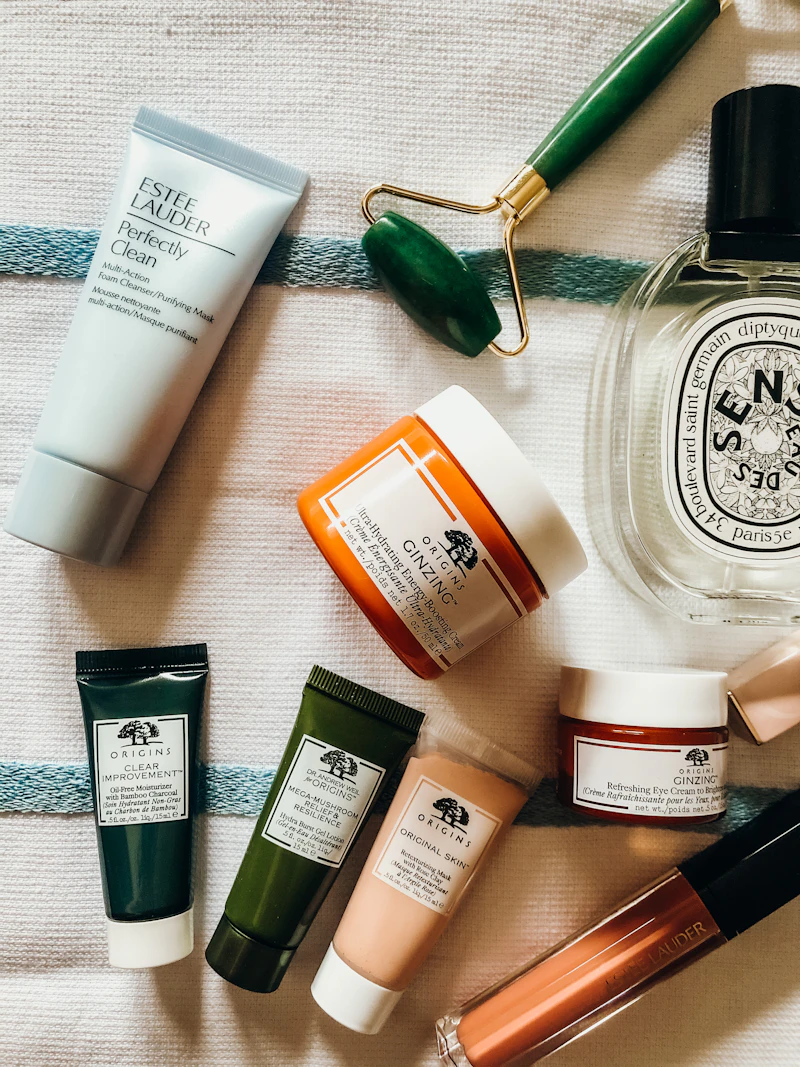
Finding the best sunscreen for face is essential for daily UV protection.
Table of Contents
- 1. What is SPF and How Does it Work?
- 2. UVA vs. UVB: The Two Types of Sun Rays
- 3. Understanding the PA++ Plus Signs
- 4. Can Sunscreen Truly Resist Water?
- 5. Three Types of Sunscreen: Chemical, Mineral, & Mixed
- 6. What is "Sunscreen Doping"? (The Hidden Secret)
- 7. Tricky Marketing Words: Reef-Safe, Organic, & Natural
- 8. How to Choose the Right One for Your Skin
- 9. How to Apply Sunscreen Correctly (The 2-Finger Rule)
- Frequently Asked Questions (FAQs)
1. What is SPF and How Does it Work?
SPF stands for Sun Protection Factor. Think of it as a timer that tells you how much longer your skin can stay in the sun without turning red like a tomato. If your skin normally burns in 10 minutes without protection, an SPF 30 sunscreen theoretically protects you 30 times longer.
However, sunscreen breaks down as soon as you step outside. This is why no matter how high the number is, you must reapply it every two hours. Here is how much protection different SPF levels give you:
- SPF 15: Blocks about 93% of bad sun rays.
- SPF 30: Blocks about 97% of bad sun rays.
- SPF 50: Blocks about 98% of bad sun rays.
2. UVA vs. UVB: The Two Types of Sun Rays
The sun sends down two different types of invisible light rays that can hurt your skin. An easy way to remember them is by looking at their letters:
- UVB (B is for Burn): These rays stay on the surface of your skin and cause painful sunburns.
- UVA (A is for Aging): These rays go deep inside your skin. They don't cause burns, but they quietly destroy skin cells, causing wrinkles, dark spots, and skin sickness over time.
Because standard SPF numbers only measure UVB protection, you must look for a bottle that says "Broad-Spectrum." This magic phrase means it protects you from both types of rays.
3. Understanding the PA++ Plus Signs
Have you ever seen plus signs like PA+++ on a sunscreen bottle? This system was created in Asia to show exactly how strong the UVA (Aging) protection is. More plus signs mean a stronger shield:
| PA Rating | Protection Level |
|---|---|
| PA+ | Light Protection (50% to 75%) |
| PA++ | Moderate Protection (75% to 88%) |
| PA+++ | High Protection (88% to 94%) |
| PA++++ | Extremely High Protection (94%+) |
4. Can Sunscreen Truly Resist Water?
No sunscreen is completely "waterproof" or "sweatproof"—in fact, the FDA banned companies from using those words because they are misleading! Sunscreen can only be water-resistant.
There are only two official ratings allowed by the government: 40 minutes or 80 minutes. If you are swimming or sweating heavily, the moment your time is up or you dry yourself with a towel, you must put on another layer immediately.
5. Three Types of Sunscreen: Chemical, Mineral, & Mixed
Sunscreens are divided into three families based on how they fight off the sun:
A. Chemical Sunscreens
These act like a sponge. They soak into your skin and absorb the sun's rays, transforming them into harmless warmth. They feel very light, clear, and rub in easily.
Common Ingredients: Avobenzone, Octisalate, Octocrylene, Oxybenzone.
New Upgrade in 2026: A brand-new, highly anticipated ingredient called Bemotrizinol is launching in the US. It provides powerful protection, doesn't easily absorb into your bloodstream, and has been safely used across Europe and Asia for decades.
B. Mineral (Physical) Sunscreens
These act like a shield. They sit right on top of your skin and use tiny particles to reflect sun rays away like small mirrors. They are super safe for babies, pregnant moms, and sensitive skin, but they can sometimes leave a white, pasty layer.
Common Ingredients: Zinc Oxide, Titanium Dioxide.
C. Combination Sunscreens
These mix both mineral and chemical ingredients together. The goal is to get the safety benefits of a mineral shield without the thick white paste.
6. What is "Sunscreen Doping"? (The Hidden Secret)
This is a major controversy in the skincare world. Many people want "100% mineral" sunsens because they are gentle. To make these thick mineral creams feel smooth, some companies secretly add unlisted chemical ingredients that absorb UV light.
Because these ingredients aren't officially classified as "active sunscreen filters" by the government, brands don't have to list them on the front of the bottle. If you want to avoid hidden chemicals, look closely at the full ingredient list for these names:
- Butyloctyl salicylate
- Tridecyl salicylate
- Ethyl ferulate
7. Tricky Marketing Words: Reef-Safe, Organic, & Natural
Companies love using beautiful words to sell products, but most of them aren't controlled by government rules:
- "Reef-Safe": There is no official legal rule for this. While certain chemicals like oxybenzone can hurt ocean coral reef systems in labs, mineral options aren't fully proven to be 100% safe for reefs either. To protect oceans, it is best to wear UV-protective clothing (like rash guards) so you can use less cream overall.
- "Organic": In science class, organic just means a molecule contains carbon (which includes chemical sunscreens). In grocery stores, it means plant-based. On a sunscreen bottle, it is usually just a buzzword.
- "EWG-Verified": This is a certificate given out by a private group, not a government agency. They encourage companies to show all ingredients clearly, which is great, but they often exaggerate minor safety scares.
8. How to Choose the Right One for Your Skin
Famous online medical educator Dr. Dustin Portela, DO, FAAD, emphasizes that "the best sunscreen is the one you actually look forward to putting on every day." Here is a quick guide to matching your skin type based on dermatological testing:
- Sensitive Skin or Pregnancy: Stick to pure Mineral sunscreens (look for Zinc Oxide). Brands like Vanicream Facial Moisturizer or Pavise are excellent options.
- Oily or Acne-Prone Skin: Look for light, liquid formulas that don't plug your pores, such as La Roche-Posay Invisible Sunscreen.
- Darker Skin Tones: Choose chemical formulas or tinted mineral options to avoid looking like a white ghost. Vacation Crystal or Beauty of Joseon blend beautifully.
9. How to Apply Sunscreen Correctly (The 2-Finger Rule)
Most people do not use nearly enough product to get the true protection written on the bottle. To fix this, prominent New York dermatologist Dr. Shari Marchbein, MD, FAAD, recommends using the famous two-finger rule.
Simply squeeze two full lines of sunscreen directly onto your index and middle fingers—that is the exact amount needed to cover your entire face and neck properly.
The Perfect Measurement Guide:
- For Your Face alone: Use 1/4 teaspoon (roughly the size of a nickel coin or two finger lengths).
- For Your Whole Body: Use 1 ounce (enough to fill a standard shot glass).
- The Daily Order: Wash your face, apply Vitamin C serum, use moisturizer if your skin is dry, and then put your sunscreen on last before applying any makeup.
Frequently Asked Questions (FAQs)
Q: Are chemical sunscreens dangerous for my health?
A: No. While huge amounts of certain older chemicals have shown hormonal changes in laboratory animals, real-world human data reviews show they are safe. Governments strictly limit concentration percentages to keep them completely secure for your daily routine.
Q: Is wearing sunscreen in the winter or indoors necessary?
A: Yes! While UVB rays drop during cold seasons, UVA (Aging) rays remain consistently powerful all year round and can easily pass straight through clear glass windows.


Post a Comment